 Amanda Waller
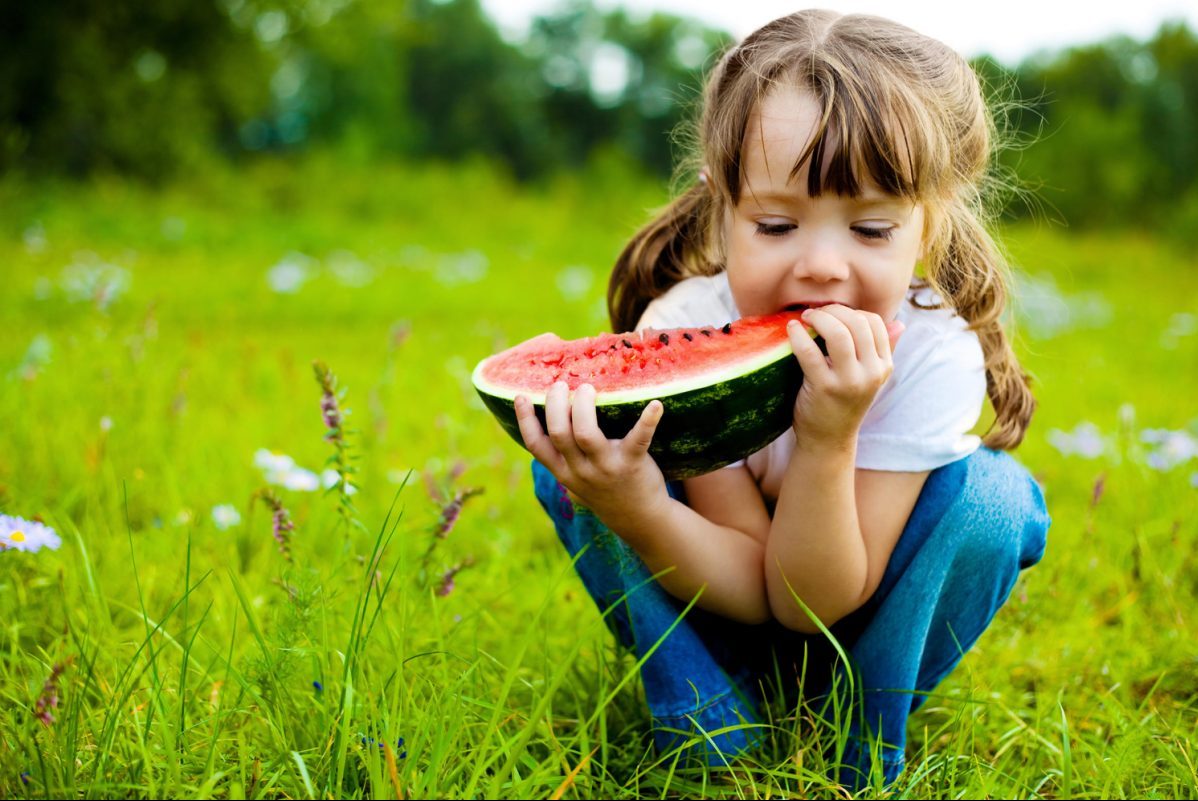
Picture this: A second-grader proudly announces at lunch that she’s eating “crunchy water” because her teacher taught her that lettuce is 95% water. That simple fact sparked her curiosity about vegetables, and now she’s asking for salad at home.
This is the power of making nutrition facts come alive for children.
Lettuce delivers more than hydration. One cup of shredded romaine lettuce contains just 8 calories while providing 82% of your daily vitamin A needs and 19% of vitamin K. It’s packed with folate, fiber, and antioxidants that support growing bodies. Iceberg lettuce, often dismissed as nutritionally weak, still offers vitamin K and potassium with that satisfying crunch kids love.
But here’s what matters most for educators: These facts become tools for transformation when you know how to share them. Teachers who weave nutrition knowledge into daily classroom moments see remarkable changes in student food choices. A kindergarten teacher in Tampa noticed her students started choosing salad bar lettuce after growing their own in classroom containers and tracking the vitamins they were harvesting.
The key is connecting the numbers to experiences children understand. When you explain that vitamin A helps their eyes work better for reading or that fiber keeps their tummies happy, nutrition facts stop being abstract data and become reasons to try new foods.
You’ll find nutrition tips for teachers throughout this guide, along with portion sizes that meet Canada’s Food Guide recommendations, creative ways to make lettuce appealing to reluctant eaters, and strategies for partnering with families. Whether you’re planning school gardens, cafeteria programs, or simple classroom tastings, understanding lettuce nutrition gives you science-backed talking points that resonate with students and parents alike.
Why Lettuce Matters in Your Classroom Nutrition Strategy
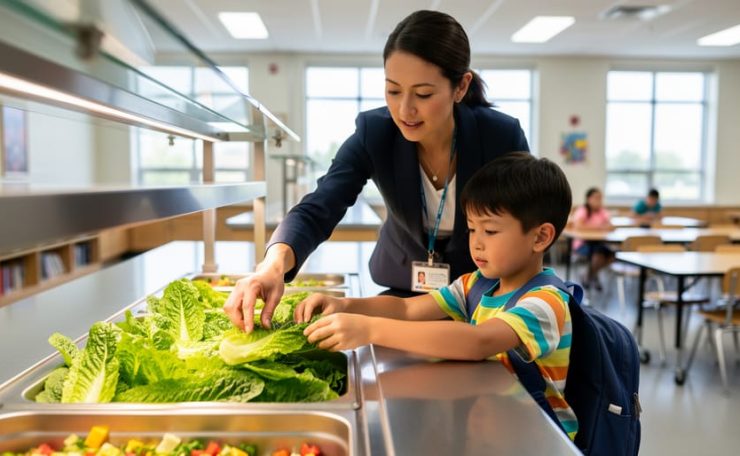
Think about the last time you tried to introduce a new vegetable in your classroom. Maybe you brought carrot sticks or broccoli florets, only to watch students wrinkle their noses before even taking a bite. Lettuce is different. Its mild flavor, gentle crunch, and familiar presence in sandwiches and wraps make it the vegetable that doesn’t trigger automatic resistance.
For many children, lettuce becomes their first “yes” to greens. It doesn’t have the strong taste of kale or the unusual texture of cooked spinach. Students who refuse almost everything green will often accept a few lettuce leaves in a wrap or on a taco. That small acceptance opens the door to bigger conversations about nutrition and healthier choices.
As a teacher, you occupy a unique position in shaping how children think about food. You see them at lunch every day. You notice who skips vegetables entirely and who might try something new when a friend does. When you casually mention that lettuce provides important nutrients like fiber, vitamins, and minerals, students listen differently than when parents say the same thing at home. Your classroom becomes a space where trying vegetables feels normal, not like a battle.
Canada’s Food Guide supports this approach. The Guide recommends dark green daily vegetables, and lettuce varieties like romaine fit that category perfectly. When you help students understand lettuce nutrition facts and actually eat these greens at school, you’re building habits that extend far beyond lunch period.
Lettuce also works within tight school budgets. It’s affordable, available year-round, and versatile enough to appear in countless dishes that students already recognize and enjoy.

Lettuce Nutrition Facts: What’s Really in That Leaf?
Understanding Serving Sizes for Student Portions
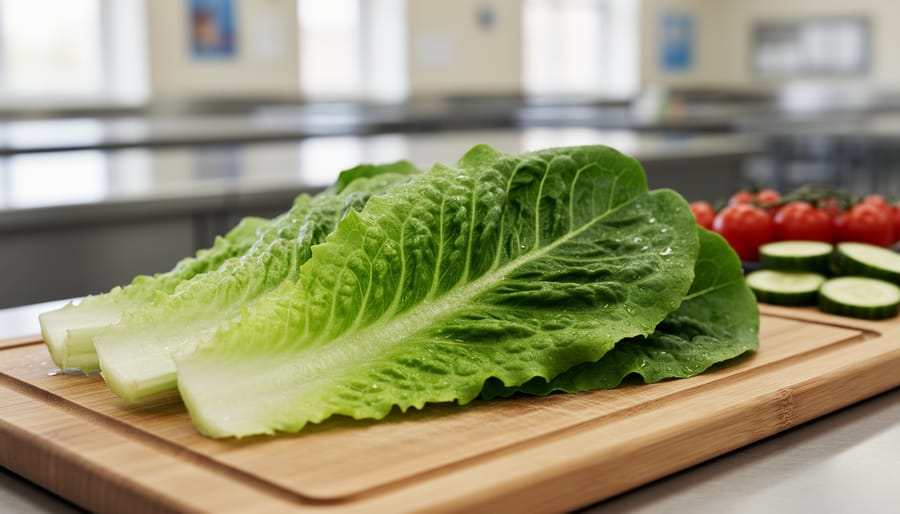
Knowing what a serving of lettuce looks like in real terms helps you confidently introduce it to students of all ages. According to verified romaine serving sizes from Canada’s nutrition database, one single leaf of romaine weighs about 10 grams. For younger students in kindergarten or grade one, that single crisp leaf torn into bite-sized pieces is a perfect starting portion. It’s manageable, not overwhelming, and gives them a chance to taste success.
For older elementary students, aim for about two to three leaves, which equals roughly 20 to 30 grams. If you’re measuring shredded lettuce for a classroom salad bar or lunch activity, 100ml of shredded romaine (approximately 24 grams) fills about half a small bowl, a comfortable portion for most children. As students grow into middle school, 250ml of shredded lettuce (about 59 grams) becomes a more appropriate serving that can anchor a proper lunch salad.
The beauty of these measurements is their flexibility. You don’t need a food scale in your classroom. Simply count leaves or eyeball a handful of shredded greens. This practical approach makes serving lettuce as easy as handing out apples.
The Nutrient Profile That Makes Lettuce a Winner
Lettuce might look like mostly water, but those crisp green leaves deliver important nutrients like fibre vitamins, and minerals that growing children need. Think of lettuce as nature’s multivitamin delivery system, packaged in a crunchy, mild-tasting form that even reluctant vegetable eaters might accept.
The real win? Lettuce contains little to no added sodium, sugars, or saturated fat, making it one of those rare foods you can confidently encourage students to eat without worrying about the nutritional downsides. When children crunch into romaine lettuce at lunch, they’re getting vitamins that support healthy vision, strong bones, and immune systems ready to tackle whatever the school day brings.
For teachers, the practical magic lies in lettuce’s nutrient density relative to its mild flavor. Those vitamins and minerals come without the sharp tastes or strong textures that sometimes make children push vegetables aside. This makes lettuce an ideal starting point for nutrition conversations, whether you’re explaining why Canada’s Food Guide recommends dark green vegetables daily or simply helping students understand that healthy foods don’t have to taste intimidating.
Teaching Kids About Lettuce: Success Stories from Real Classrooms
Ms. Rodriguez watched her third-graders wrinkle their noses at the salad bar every Tuesday. Then she tried something different. She brought in a single romaine leaf, held it up like a treasure, and asked, “Who wants to be a vegetable detective?” That simple shift changed everything. Within weeks, her previously resistant students were asking for seconds of salad.
Teachers across the country have discovered that introducing lettuce doesn’t require fancy equipment or big budgets. What works is making it feel like an adventure rather than a rule. Mr. Chen in Vancouver started with a “crunch challenge” where students rated different lettuce varieties by sound alone. His class became so invested that they created a chart tracking which types stayed crispiest throughout the week. When students have ownership over the discovery process, they’re far more likely to actually taste what they’re learning about.
The most successful approaches tend to share common elements:
- Starting with tiny taste portions (a single leaf rather than a full serving) to reduce pressure
- Connecting lettuce to familiar favorites like tacos or wraps instead of traditional salads
- Growing lettuce in classroom containers so students see the full lifecycle
- Creating “build your own” stations where children control their portions and combinations
- Pairing lettuce with popular dips or dressings students already enjoy
Mrs. Okafor’s Grade 2 class struggled with vegetables, especially when it’s hard to eat healthy due to limited exposure at home. She partnered with the cafeteria to host monthly “Lettuce Taste Tests” where students sampled different varieties with silly names they invented themselves. “Green Crunch Clouds” (butter lettuce) became surprisingly popular. The key was removing the pressure to finish and simply encouraging curiosity.
Another Grade 5 teacher used lettuce as an entry point for teaching broader healthy eating habits. Her students researched where lettuce grows, calculated the cost per serving, and even wrote persuasive letters to the cafeteria suggesting new salad combinations. When children understand the “why” behind nutrition recommendations, they become advocates rather than resisters.
The pattern is clear: success happens when teachers meet students where they are, celebrate small wins, and make lettuce feel accessible rather than intimidating.
Making Lettuce Work in School Lunch Programs
Choosing and Storing Lettuce for Maximum Appeal
Fresh lettuce starts with choosing heads that feel heavy for their size and show no browning at the edges. When shopping for your classroom or recommending varieties to families, look for crisp leaves with vibrant color. Romaine works well in school settings because it holds up better than delicate butter lettuce.
Storage makes all the difference for keeping lettuce appealing until lunch. Wrap unwashed lettuce loosely in paper towels, then place it in a breathable produce bag in the coldest part of your fridge. This setup prevents that slimy texture kids instantly reject. Wash lettuce only right before serving, never days ahead.
If your school has refrigeration, keep whole heads intact rather than pre-shredding. Cut lettuce browns faster and loses its crunch. For grab-and-go lunch stations, prepare lettuce the same morning and keep it covered with a damp towel until students arrive.
Room temperature lettuce wilts quickly, so timing matters. One teacher keeps a small cooler with ice packs near the lunch area, ensuring every student gets crisp, fresh leaves that actually look good enough to eat.
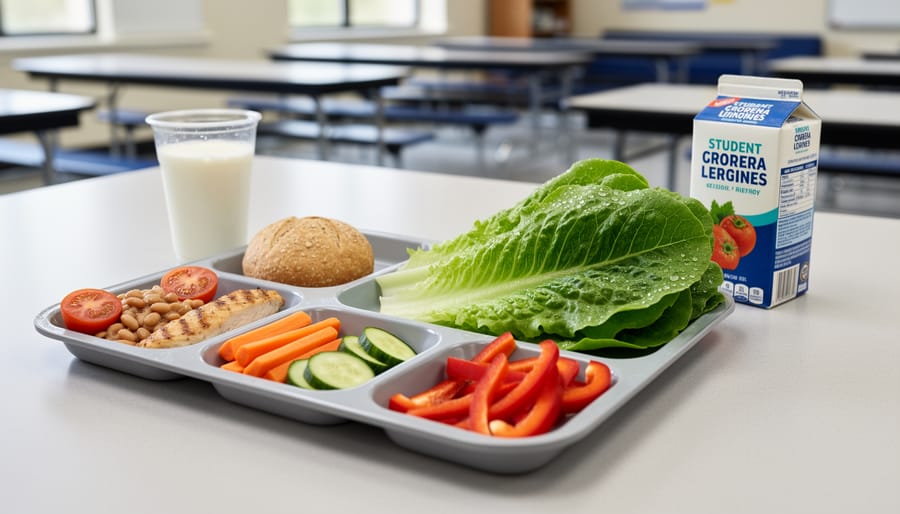
Simple Ways to Make Lettuce More Exciting
Kids often perk up when familiar lettuce transforms into something unexpected. Try turning romaine leaves into “veggie boats” filled with hummus and shredded carrots, or invite students to build their own taco bar where lettuce becomes the edible wrapper. One teacher I spoke with had success with “lettuce wraps challenge day,” where students voted on their favorite combinations.
Presentation matters enormously. Arrange shredded lettuce into rainbow patterns on the lunch tray, or create “build-your-own” salad stations where choice gives children ownership. Pairing lettuce with favorite dips works wonders, ranch dressing, yogurt-based dips, or even peanut sauce can make those leaves disappear.
Color combinations catch young eyes. Mix romaine with bright cherry tomatoes, orange peppers, or purple cabbage to create visual interest. You can also suggest simple recipes families can try at home, like lettuce “cups” filled with tuna salad or chicken strips wrapped in crisp leaves instead of tortillas. When lettuce becomes interactive rather than just another side dish, children engage differently with their food.
Partnering with Families to Reinforce Healthy Habits
Your classroom work with lettuce and vegetables gains lasting power when families continue the conversation at home. Research consistently shows that parents’ involvement directly shapes children’s long-term eating habits, making home-school partnerships essential for nutrition education success.
Start by sending home simple, encouraging messages that celebrate what children learned about lettuce rather than lecturing families about what they should do. A brief note sharing “Today we discovered that lettuce has fiber and vitamins that help our bodies grow strong” opens dialogue without creating pressure. Include one practical suggestion families can try immediately, like adding shredded lettuce to tacos or wraps for dinner.
Ready-to-use ideas for family engagement activities:
- Weekly “veggie challenge” cards where families try a new lettuce variety together and report back
- Simple recipe cards featuring lettuce in kid-friendly combinations like turkey lettuce wraps or crunchy salad cups
- Garden partnership programs where students grow lettuce at school and share leaves with families
- Family taste-testing events during parent-teacher conferences featuring different lettuce types
- Photo contests where families submit pictures of creative lettuce dishes they tried at home
Consider creating a simple monthly calendar highlighting dark green vegetables, aligning with Canada’s Food Guide recommendations that emphasize these nutrient-rich choices daily. Families appreciate actionable guidance rather than overwhelming nutrition information.
The most successful teachers build bridges between classroom learning and kitchen tables. When you send home a lettuce leaf with a student who proudly announces they helped grow it, you’re creating a shared experience that naturally extends your nutrition education beyond school walls.
You’ve seen how lettuce, with its fiber, vitamins, and minerals, fits perfectly into Canada’s Food Guide recommendations for dark green vegetables. More importantly, you’ve discovered that introducing this simple, affordable vegetable can open doors to healthier eating habits for your students. The nutrition facts matter, but your influence matters more.
Start small this week. Maybe it’s adding a lettuce taste-test to your science lesson, or simply modeling enthusiasm when you see lettuce on a lunch tray. Perhaps you’ll send home one family activity sheet about growing lettuce or share a success story with a colleague who’s hesitant to try nutrition education.
Your classroom is where children form lifelong habits. When you normalize vegetables, celebrate trying new foods, and partner with families around nutrition, you’re doing far more than teaching facts about lettuce. You’re shaping how the next generation thinks about nourishment and self-care.
The students watching you today will carry these lessons forward. That’s the real power of bringing lettuce nutrition facts into your teaching mission.